Understanding Electric Power: The Invisible Force That Powers Our World ⚡
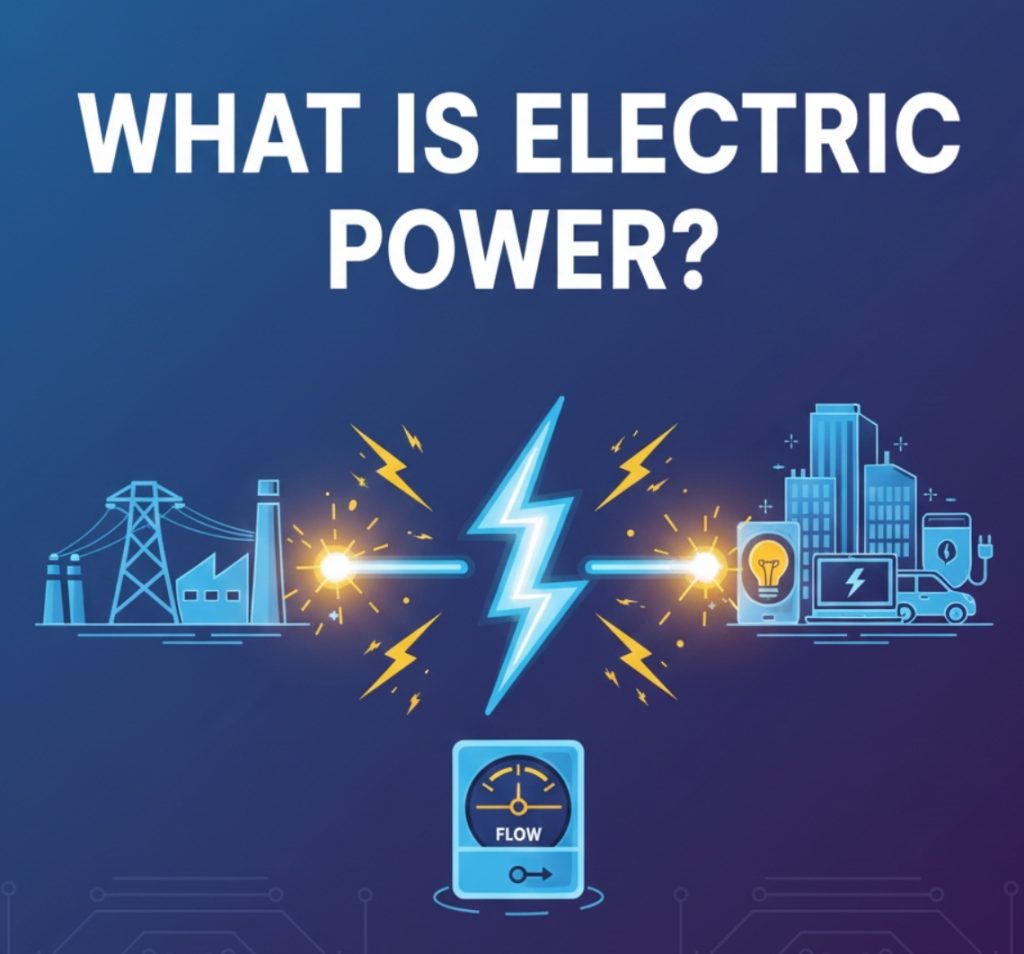
Electricity is one of those things we use every day without thinking twice—charging our phones, lighting up rooms, running air conditioners—but have you ever wondered what really drives it? That’s where electric power comes in.
What is Electric Power?
Electric power is the rate at which electrical energy is transferred or consumed. Simply put, it’s how fast electricity does work. Whenever you turn on a light or plug in a laptop, electric power is at play, making things run smoothly.
In physics terms, electric power (P) is calculated as:
P = V \times I
Where:
- V = Voltage (how strong the push of electricity is)
- I = Current (how much electricity is flowing)
The unit of electric power is the watt (W). So when your phone charger says 20W, it means it’s using electric power at a rate of 20 watts.
Why Electric Power Matters
Electric power is the backbone of modern life. It:
- Powers homes and offices.
- Runs machines in factories.
- Charges devices that keep us connected.
- Drives technology and innovation—from smart homes to electric cars.
Without understanding power, we can’t properly design electrical systems, save energy, or even manage our electricity bills efficiently.
Types of Electric Power
- DC (Direct Current) Power – Electricity flows in one direction, like in batteries.
- AC (Alternating Current) Power – Electricity changes direction periodically, which is what comes from wall outlets in homes.
Fun Fact ⚡
The total electric power produced in the world is enough to light up billions of bulbs simultaneously. Yet, efficiency is everything—using electricity wisely reduces waste and saves money.
How to Use This Knowledge
Next time you plug in a device, think about the power behind it. Understanding electric power isn’t just science—it’s a key to smarter energy use, lower bills, and a sustainable lifestyle.